
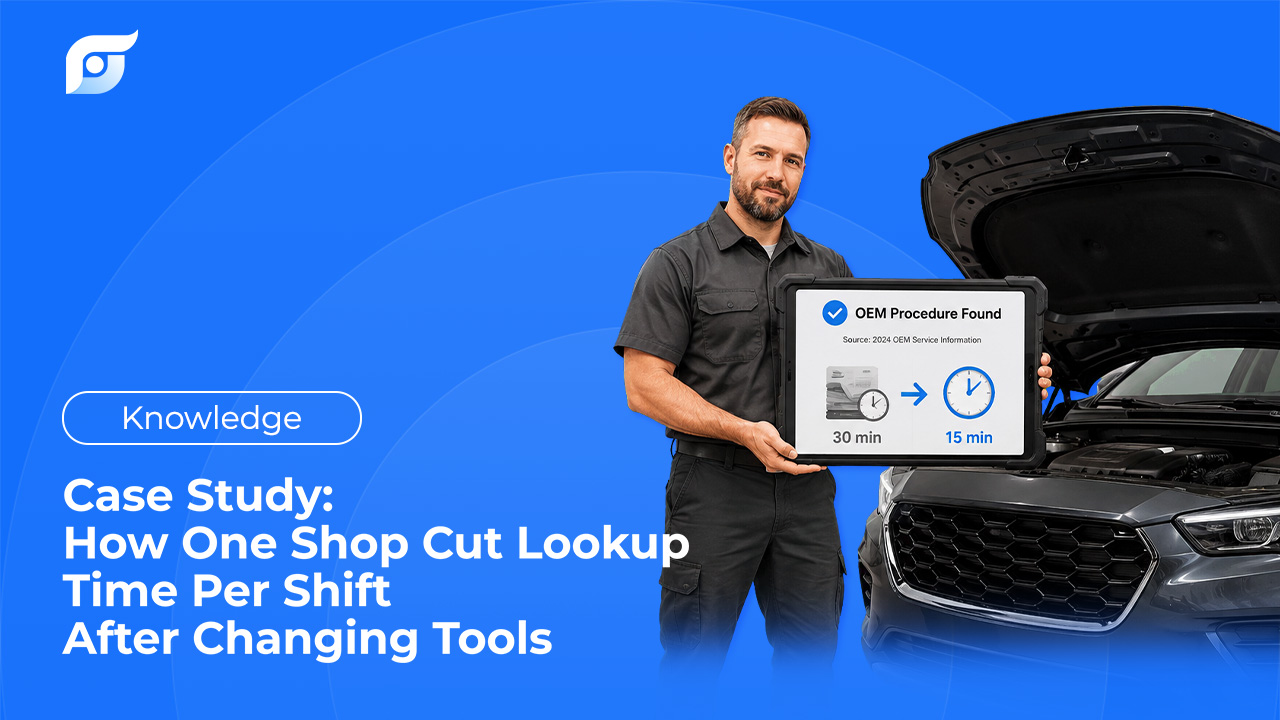
A faster repair doesn’t always start with a faster technician. Sometimes, it starts with faster access to the right information.
In a busy repair shop, a few minutes spent searching for a procedure may not seem significant.
One technician opens a repair information system.
Another searches through a PDF.
Someone checks a wiring diagram.
Someone else asks a more experienced technician where to find the specification.
The vehicle isn’t being repaired during any of those minutes.
For one independent repair shop, that became a workflow problem worth measuring.
The shop didn’t need another source of repair information. It needed a faster way to access the information it already depended on.
That was the reason the team introduced Jayda into its repair workflow.
The result: a measurable reduction in the time technicians spent looking for OEM repair information during a shift.
Note: Replace the illustrative metrics in this draft with verified customer measurements before publication.
The Problem Wasn’t Finding Information. It Was Finding It Fast Enough.
Modern repair shops already have access to a tremendous amount of technical information.
The challenge is getting to the exact piece of information needed for the job in front of the technician.
A technician might need to find:
- a torque specification,
- a component location,
- a DTC test procedure,
- a wiring diagram,
- a fluid capacity,
- an OEM repair procedure,
- a TSB,
- a labor time, or
- an OEM part number.
The information may be available.
But availability and accessibility are not the same thing.
Traditional repair information systems are often organized around the structure of the database. The technician has to know which system, component, category, or document contains the information before they can reach it.
That creates a hidden productivity cost.
The technician knows the question. The system knows the folder.
And the technician is left navigating between the two.
For a single lookup, that friction may only cost a few minutes.
Across dozens of repair orders, it becomes part of the shop’s daily operating cost.
Before: Too Much Time Between “I Need This” and “I Found It”
Consider a common scenario.
A technician is diagnosing an electrical issue on a vehicle and needs the wiring diagram for a specific circuit.
The repair itself isn’t necessarily complicated.
But finding the correct information may involve multiple steps:
Select vehicle → Find system → Open wiring section → Locate circuit → Open diagram → Verify configuration
The same pattern appears across other types of information.
A technician looking for a torque specification may need to navigate to the correct repair procedure.
A technician checking a DTC may need to locate the corresponding diagnostic information.
A technician looking for a component may need to work through several levels of vehicle information before reaching the relevant diagram.
None of this is the repair.
It’s the information retrieval required before the repair can continue.
For the shop, that distinction mattered.
The team started looking at lookup time as an operational metric rather than an unavoidable part of the job.
The Change: Give Technicians a Faster Way to Reach the Same Information
The shop’s goal wasn’t to change how technicians repair vehicles.
It was to reduce the time between a question and the information needed to answer it.
That’s where Jayda fit into the workflow.
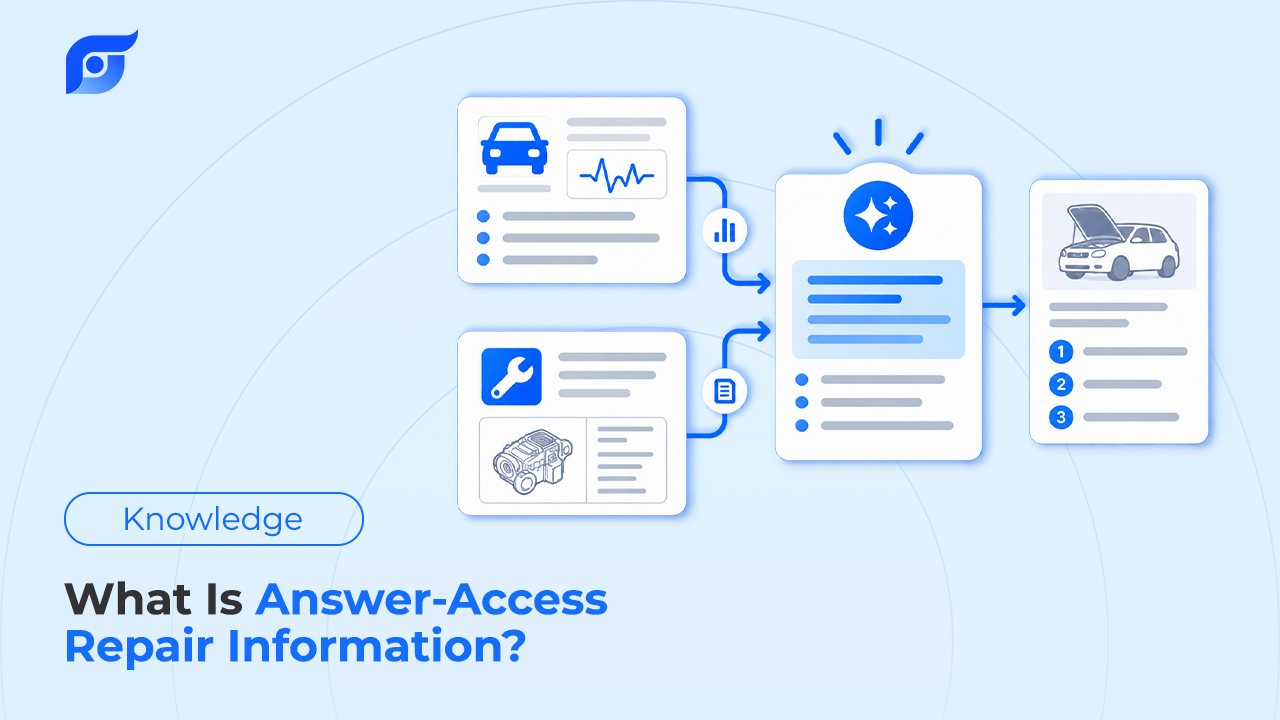
Instead of requiring technicians to navigate the database structure first, Jayda lets them describe what they’re looking for and uses AI to identify the relevant OEM information.
For example, a technician can enter a query such as:
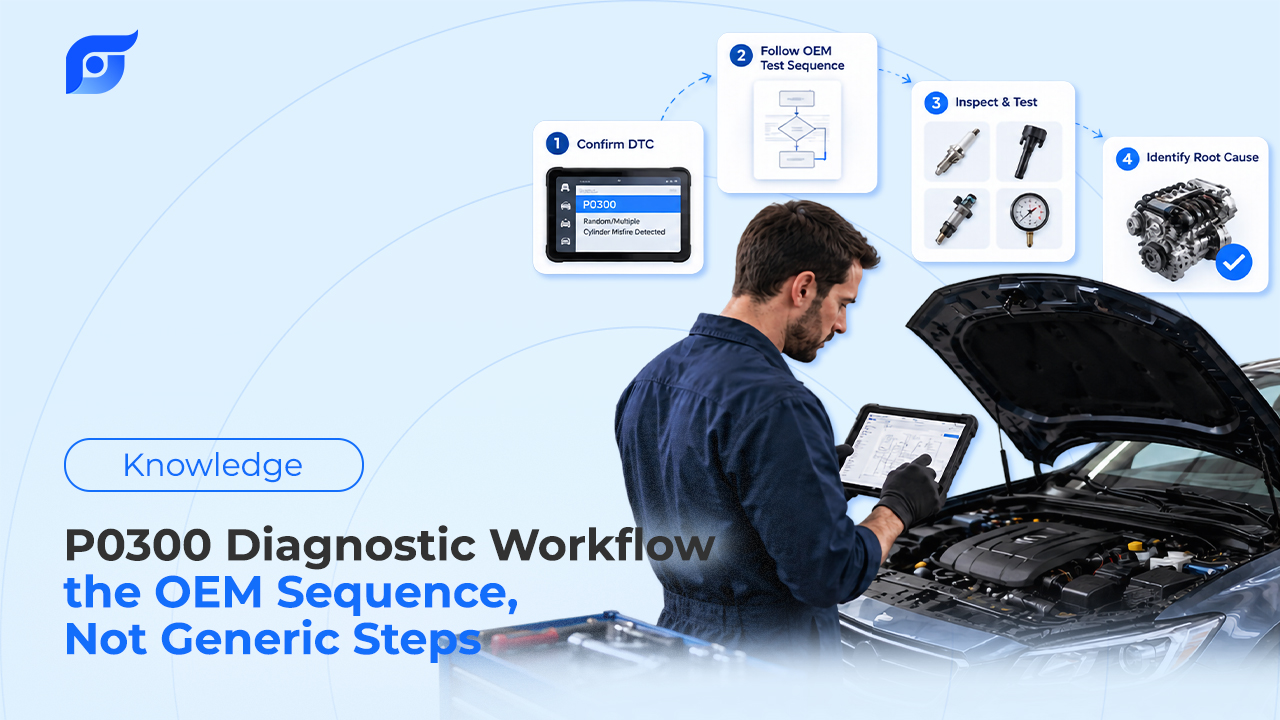
“2019 F-150 5.0 P0300 intermittent misfire test procedure”
The technician doesn’t need to remember which menu contains the procedure.
They start with the job in front of them.
What do I need to find?
That’s the fundamental shift:
Traditional workflow
Navigate → Browse → Search → Open → Verify
Jayda workflow
Describe the problem → Find the relevant OEM information
Jayda’s positioning is built around this distinction: access based on intent rather than navigation.
The Result: Fewer Minutes Spent Looking Up Information
To evaluate the change, the shop tracked lookup time across a typical shift.
| Metric | Before | With Jayda |
|---|---|---|
| Average lookup time | [X min] | [X min] |
| Lookups per technician | [X] | [X] |
| Total lookup time / shift | [X min] | [X min] |
| Time returned to productive work | — | [X min] |
The important number wasn’t simply how quickly Jayda returned a result.
It was how much time the technician no longer had to spend searching.
For example, if a technician completes six information lookups during a shift and saves five minutes on each:
6 × 5 = 30 minutes returned to the workflow.
Multiply that across a team of five technicians:
30 × 5 = 150 minutes per shift.
That’s 2.5 technician-hours that can potentially move back into inspection, diagnosis, repair, or verification.
The exact result varies by shop.
That’s why measuring the baseline matters.
What Made the Difference?
The improvement didn’t come from giving technicians more information.
It came from reducing the friction between the technician and the information.
This distinction is easy to overlook.
A repair shop can have thousands of pages of valuable technical information and still lose time if technicians have to navigate through that information manually.
Jayda changes the access layer.
The technician doesn’t need to think:
“Which section contains this?”
They can start with:
“I need the torque specification for this.”
Or:
“What’s the test procedure for this DTC?”
Or:
“Where is this component located?”
That makes the workflow closer to the way technicians already think about a repair.
Speed Only Matters When the Information Is Trustworthy
For repair information, faster isn’t enough.
A fast answer that isn’t tied to the correct vehicle or source doesn’t solve the problem.
That’s why Jayda separates AI search from AI-generated repair content.
Jayda uses AI to understand the user’s request and locate relevant information.
It does not generate or rewrite the repair procedure.
The underlying repair information is sourced through MOTOR Information Systems and includes repair procedures, DTCs, TSBs, wiring diagrams, component locations, specifications, labor information, maintenance schedules, parts information, and recalls.
The content is presented without AI embellishment or modification.
This matters because the technician isn’t looking for an AI opinion.
They’re looking for the relevant information from an authoritative source.
Every result can also include source attribution so the user can understand where the information came from.
The Productivity Opportunity Extends Beyond One Lookup
Lookup time isn’t limited to one category of information.
It appears throughout the repair workflow.
Locate
Find the exact component location before spending time searching physically.
Diagnose
Find DTC definitions, test conditions, diagnostic procedures, and supporting information.
Quote
Access labor time information when estimating a repair.
Verify
Check fluid capacities, maintenance requirements, and specifications.
Identify
Find OEM part illustrations and part numbers where available.
Repair
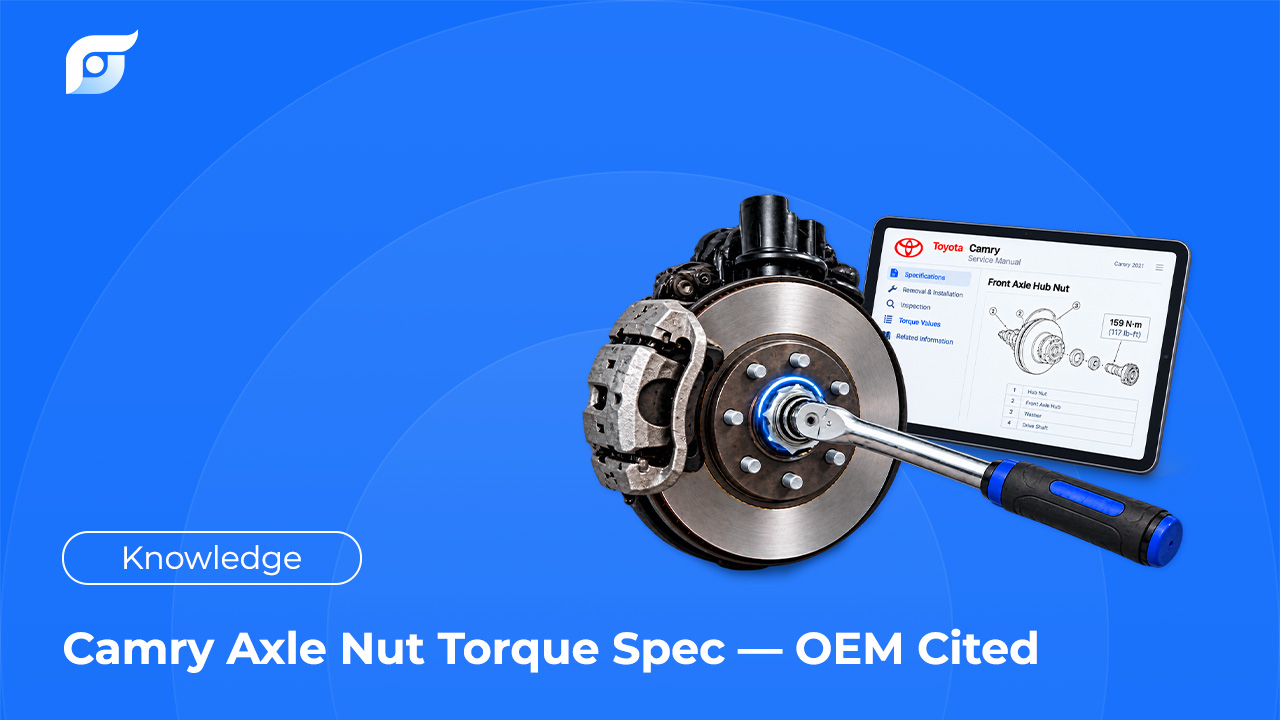
Access OEM removal and installation procedures, torque specifications, sequences, warnings, and cautions.
Diagnose Electrical Issues
Find the relevant wiring diagrams, connectors, wire colors, splice locations, and grounds.
Check Known Issues
Find relevant TSBs and recalls.
Jayda currently organizes these capabilities across 12 OEM data categories, following the typical repair workflow from locating a component through diagnosis, quoting, parts identification, repair, and TSB/recall checks.
The result is not simply faster search.
It’s less interruption throughout the repair process.
Turning Lookup Time Into an ROI Metric
The most useful part of this case study is that the methodology can be applied to almost any repair shop.
You don’t have to start with software.
Start with measurement.
1. Count information lookups
For one week, record how many times technicians need to search for technical information during their shifts.
2. Measure the time
Measure the interval between:
“I need this information.”
and
“I found the relevant information.”
Don’t include the repair itself.
You’re measuring information retrieval.
3. Calculate total lookup time
Use:
Number of lookups × Average lookup time = Lookup time per shift
4. Attach a labor value
If productive technician time is valued at $X/hour, then:
Hours saved × $X/hour = Potential labor value returned
This creates a much clearer business case than simply saying that a tool is “faster.”
The question becomes:
How much productive technician time does faster information access return to the shop?
Why This Matters More as a Shop Grows
For a single technician, saving several minutes per lookup may feel small.
For a team, the numbers compound.
Imagine a shop with:
- 6 technicians
- 5 information lookups per technician per shift
- 4 minutes saved per lookup
That’s:
6 × 5 × 4 = 120 minutes per shift
Or:
2 technician-hours returned per shift.
Over 22 working days, that’s approximately:
44 technician-hours per month.
Again, these are examples, not a promised Jayda result.
The important insight is that lookup efficiency scales with repair volume.
The more information a team needs to access, the more important the access model becomes.
The Bigger Lesson: Your Information System Is Part of Your Workflow
Repair shops often optimize the visible parts of the workflow.
They look at:
- technician productivity,
- repair order volume,
- bay utilization,
- diagnostic equipment,
- parts availability,
- turnaround time.
Information access is easier to overlook because it happens between those activities.
But every repair depends on information.
If the information is difficult to reach, the friction appears somewhere else in the workflow.
A technician waits.
A vehicle stays in the bay.
A repair order takes longer.
Another job waits.
The cost is distributed across the operation, making it difficult to see.
Measuring lookup time makes that hidden cost visible.
What Changed for the Shop
The shop didn’t become more productive because technicians suddenly learned more about vehicle repair.
The technicians already knew their work.
The improvement came from making the information supporting that work easier to access.
Before
The technician knows what they need → navigates the system → finds the document → verifies the information
After
The technician knows what they need → describes it → gets to the relevant OEM information
That’s a small change in interaction.
But at shop scale, small reductions in friction can add up.
The Takeaway
Your technicians shouldn’t have to spend more time finding repair information than using it.
If your shop regularly loses minutes searching for procedures, specifications, wiring diagrams, DTC information, component locations, TSBs, or parts information, start measuring that time.
Then ask a simple question:
What would happen if every lookup took less time?
For some shops, the answer may be a few minutes per technician.
For others, it may add up to hours across a shift.
Either way, the first step is the same:
Measure the lookup.
Then improve it.
See How Jayda Fits Into the Repair Workflow
Jayda gives technicians instant access to official OEM repair information through an intent-based search experience, with data sourced through MOTOR Information Systems.
Official OEM Data. Found in Seconds.
Frequently Asked Questions
What is lookup time in an automotive repair shop?
Lookup time is the time a technician spends finding the information required to continue a repair, such as an OEM procedure, specification, wiring diagram, DTC test procedure, or component location.
How can a repair shop reduce technician lookup time?
Start by measuring the average time technicians spend finding information. Then identify which information categories create the most friction and evaluate whether an intent-based access model can reduce those delays.
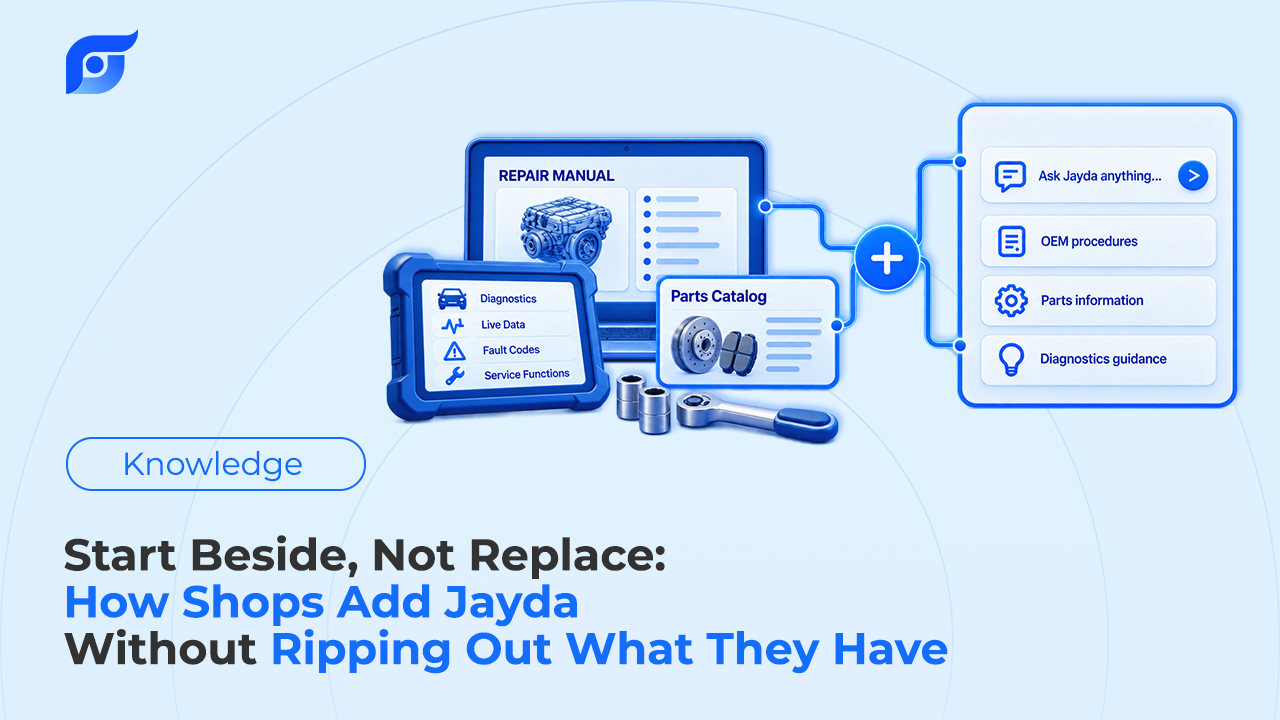
Does Jayda replace existing repair information systems?
Jayda is designed to work alongside the tools a shop already uses. The focus is giving technicians a faster way to access relevant OEM information when they need it.
Does Jayda’s AI generate repair procedures?
No. Jayda uses AI to understand the user’s request and locate relevant information. Repair content itself is not generated, rewritten, or embellished by AI.
Where does Jayda’s repair information come from?
Jayda’s OEM repair information is sourced through MOTOR Information Systems. Its data coverage includes repair procedures, DTCs, TSBs, wiring diagrams, component locations, labor information, specifications, maintenance schedules, parts data, and recalls.